
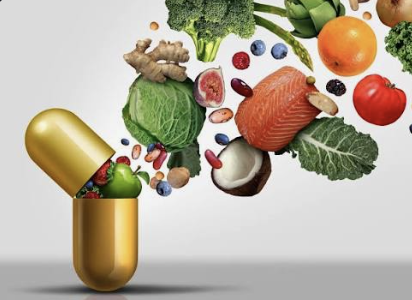
Food as Medicine: How We Close the Gap, One Bottle at a Time
We've spent this season talking about freedom, roots, reform, and the stubborn gap in how long people live depending on their zip code. Let's close where it all leads: the idea that food itself can be medicine — and what that means for Kansas City.
More than a metaphor
“Food as medicine” has moved from slogan to science. One of the most studied models is the produce prescription — where doctors literally prescribe fruits and vegetables, with vouchers to help patients afford them. The evidence is encouraging: these programs increase how much produce people eat, reduce food insecurity, and improve quality of life. Several studies have found improved blood-sugar control among people with diabetes who took part.
We'll keep it honest
True to how we do things, here's the balanced view: the research is promising but still maturing. Some rigorous studies haven't shown improvement in every measure, which tells us program design matters — access alone isn't a magic wand. Food is powerful medicine, but it works best alongside healthcare, not as a slogan that lets bigger systems off the hook. We hold both the promise and the honesty.
What it means for you
You don't need a prescription to start treating food as medicine. The “dose” is simple and the science behind it is some of the strongest there is: more vegetables and fruit, less added sugar, real hydration, whole ingredients over processed ones. One cup of leafy greens a day is linked to real drops in heart-disease risk. Cutting sugary drinks lowers cardiovascular and stroke risk. These aren't fads. They're the most well-supported, lowest-cost prescriptions in medicine — available at any grocery store, no copay required.
Our piece of the work
This is the whole reason Ruby Jean's exists. Every cold-pressed bottle, every reimagined Soul Food Bowl, every community garden giving away produce for sweat equity, every store we plant in a neighborhood that needs fresh food — it's all the same prescription, filled one Kansas Citian at a time. We can't write the policy that fixes food access citywide. But we can make the medicine delicious, joyful, and rooted in the culture, so that choosing it feels like celebration instead of sacrifice.
That's where we'll leave this season: health is freedom, food is medicine, and both are within closer reach than the world wants you to believe. Ruby Jean Bates didn't have this. You do. So pour yourself something green, take your shot, fix your plate with a little more color — and let's keep closing that gap together, one bottle at a time.
Thank you for reading all season. The work continues, and we're honored you're in it with us.
Call to action: Fill your prescription — explore our juices, cleanses, and bowls at 3000 Troost or online.
Sources
1. Food Is Medicine, but Are Produce Prescriptions? (Diabetes Care, ADA)
2. Evaluation of a Produce Prescription Program: Glycemic Control (Diabetes Care / PMC)
Rethink Your Drink: The Truth About Added Sugar
If you wanted to find the single easiest change most of us could make for our health, it might be in our cup. Sugar-sweetened beverages — sodas, sweet teas, energy drinks, sugary “juice” drinks — are the number one source of added sugar in the American diet. Not dessert. Not candy. What we drink.
How much is too much
The American Heart Association recommends no more than about 6 teaspoons of added sugar a day for women and 9 for men. A single regular soda can blow past the entire day's limit in one bottle. And these are liquid calories that don't fill you up, so they tend to be added on top of everything else you eat — sugar your body never asked for.
What it's doing to us
This isn't about guilt; it's about stakes. One large study found that women who drank one or more sugary beverages a day had roughly 20% higher risk of cardiovascular disease and 21% higher risk of stroke than those who rarely drank them. One drink a day. Multiply that across years and neighborhoods, and you start to see how the contents of a cup feed the very diabetes and heart disease that hit our communities hardest.
The honest part — juice has sugar too
We're a juicery, so we'll be straight with you: fruit juice contains natural sugar, and an all-fruit juice every few hours isn't a free pass. The difference is what comes with it. A cold-pressed, vegetable-forward juice delivers real vitamins, minerals, and plant compounds alongside its sugar — and none of the high-fructose corn syrup, dyes, and synthetic additives packed into a soda. And our Coconut Water Lemonades are crafted lighter in sugar than most sports and soft drinks, with real electrolytes doing the work. Smart, not sugar-free — and we'll never pretend otherwise.
Easy swaps that add up
Make water your default and keep it interesting — add lemon, cucumber, mint, or berries.
Trade the soda for a vegetable-forward juice or a Coconut Water Lemonade when you want flavor.
Watch the sneaky ones — sweet tea, flavored coffees, and “juice drinks” can carry as much sugar as soda.
Read the label and let the grams of sugar actually inform the choice.
Small change, big stakes. The cup in your hand is one of the most repeated decisions you make all day — which makes it one of the most powerful. Rethink it, and your future self will feel the difference.
Call to action: Make the swap — grab a vegetable-forward juice or Coconut Water Lemonade at 3000 Troost.
Sources
1. Added Sugars (American Heart Association)
3. Coconut Water: A Sports Drink Alternative? (MDPI Sports / PMC)
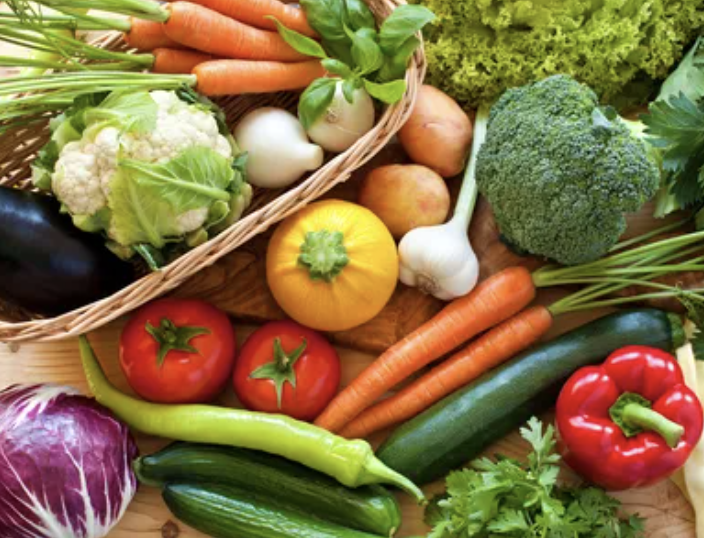
Eat the Rainbow: Why Only 1 in 10 of Us Gets Enough
Here's a statistic that should stop you mid-bite: only about 1 in 10 American adults eats enough vegetables in a day, and only about 1 in 8 eats enough fruit. We are, as a nation, starving for the very thing that keeps us alive longest. The fix isn't complicated, expensive, or trendy. It's color.
The simple target
The guidance is refreshingly clear: aim for about 1.5 to 2 cups of fruit and 2 to 3 cups of vegetables a day. Most of us aren't close. But you don't need a nutrition degree to get there — you need a plate with more colors on it. Each color in produce signals a different family of plant compounds, so “eat the rainbow” isn't a cute slogan; it's a practical way to cover your nutritional bases without counting a thing.
Greens punch above their weight
If you start anywhere, start with leafy greens. The research here is striking: eating just one cup of leafy green vegetables a day is linked to meaningfully lower heart-disease risk, with studies tying higher vegetable-nitrate intake to lower blood pressure and a 12–26% lower risk of heart disease. One cup. Collards, kale, spinach, mustard greens — foods already woven into our culture and our kitchens. The medicine was on the table the whole time.
How to actually do it
Make breakfast count — a smoothie or juice with real greens gets vegetables in before the day can derail you. (Our Kale Yeah! and Green Dream were built for exactly this.)
Add, don't just subtract — instead of agonizing over what to cut, crowd your plate with more vegetables. The good tends to push out the rest.
Keep it visible — fruit on the counter, cut vegetables at eye level in the fridge. We reach for what we see.
Lean on your heritage — greens, beans, okra, sweet potatoes, peppers. Soul food's vegetable tradition is a head start, not an obstacle.
Why we make it easy
We built Ruby Jean's around this exact problem. When eating enough produce is genuinely hard for most people, our job is to make it genuinely easy — to put pounds of vegetables into a bottle you'll actually drink and a bowl you'll actually crave. Whole produce first, always. But on the days a salad isn't happening, a green juice is a beautiful insurance policy.
Add one cup of color to your day. Then another. It's one of the simplest, most powerful, most affordable things you can do for your future — and it just might be the cheapest years you ever buy.
Call to action: Start with greens — try Kale Yeah! or Green Dream at 3000 Troost.
Sources
1. Adults Meeting Fruit and Vegetable Intake Recommendations, U.S. 2019 (CDC MMWR)
Your Zip Code Shouldn't Decide How Long You Live
We want to talk about the number that drives everything we do. In Kansas City, the difference in life expectancy between neighborhoods can be as much as 18 years. Eighteen years — decided, in large part, by which side of a few streets you happen to live on.
The number, up close
In 2019, the highest life expectancy in Kansas City was 86.3 years, in zip code 64113. The lowest was 68.1 years, in zip code 64128 — neighborhoods separated by just a few miles. And the gap is moving the wrong way: between 2016 and 2019, it widened from about 12 years to 18. Kansas City's own health improvement plan names the root cause plainly — structural racism and the disinvestment that has followed it.
What food has to do with it
Follow that gap and you'll often find a food desert: a neighborhood without a full grocery store selling fresh produce within easy reach. These deserts cluster in lower-income Black and Hispanic neighborhoods, and where good food is hard to find, rates of obesity, diabetes, and high blood pressure run highest. It's not a matter of willpower or character. It's a matter of access. You cannot eat the vegetables that aren't sold anywhere near you.
The downstream toll is measured in bodies and years: Black adults are 24% more likely than the overall population to have diabetes, and 58% live with high blood pressure — the highest rate of any group in the country. These aren't separate problems from the life-expectancy gap. They are the gap.
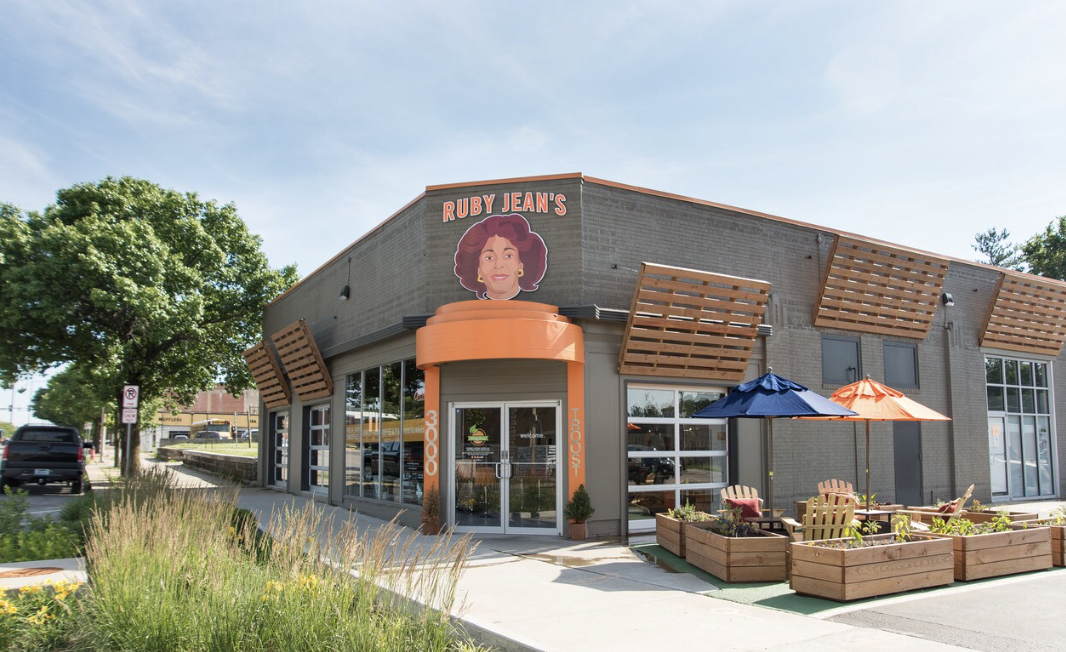
Why we planted ourselves on Troost
This is the reason Ruby Jean's flagship sits at 3000 Troost — historically a dividing line in our city, now a place where we pour fresh life back in. It's why our juices are stocked where families already shop, why we've planted community gardens that give away produce for sweat equity, and why we keep our healthiest options joyful and reachable rather than precious and priced out.
We're not naïve enough to think a juicery alone closes an 18-year gap. That takes grocery access, healthcare, housing, investment, and policy all rowing together. But we are stubborn enough to believe that fresh, healthy, culturally-rooted food belongs in every neighborhood — not just the ones with the longer lifespans. And we're going to keep planting ourselves exactly where that food is hardest to find.
Your zip code should not decide how long you live. As long as it does, we've got work to do. Thank you for doing it with us.
Call to action: Support the mission — every bottle helps us bring fresh food where it's needed most.
Sources
1. Flatland KC — Racism at the Root of Kansas City Health Disparities
2. How Zip Codes Affect Kansas City's Health Outcomes (Stella Frisby, Medium)
3. Black and Hispanic Americans at higher risk of hypertension, diabetes, obesity (Brookings)
4. Diabetes and Black/African Americans (HHS Office of Minority Health)
5. Age-Adjusted Percentage of Adults with Hypertension (CDC MMWR QuickStats)
6. Kansas City Community Health Improvement Plan (City of KCMO)
What's Really in the Bottle: Cold-Pressed, Explained
Cold-pressed vs. the spinning blade
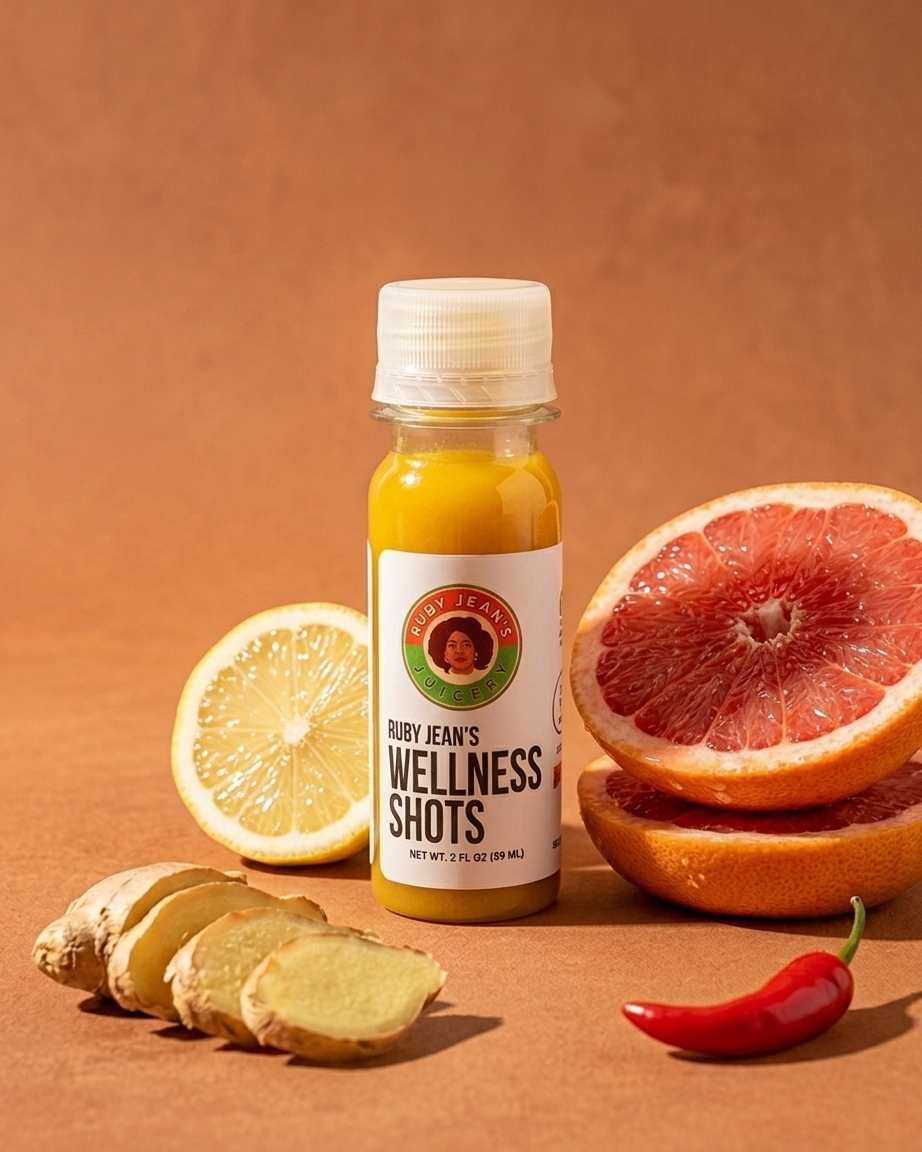
Most cheap juicers are centrifugal: a fast-spinning blade shreds the produce, generating heat and whipping in air. Both heat and oxygen degrade some of the delicate nutrients you're drinking juice for in the first place. Cold-pressing works differently — it uses slow, powerful pressure to squeeze the juice out without the heat, which helps protect those nutrients and keeps the juice stable longer. In one comparison, vitamin C stayed steady in cold-pressed juice but dropped about 20% in centrifugal juice after two days. That's why our juice tastes alive — because in the ways that matter, it is.
The honest part: juice isn't a fiber substitute
Here's what we won't pretend: juicing removes most of the fiber from produce. Whole vegetables and fruit — with all their fiber intact — should still be the foundation of how you eat, and no juice replaces a plate of real food. Anybody who tells you otherwise is selling, not informing.
So why drink it at all? Because juice does something whole produce struggles to do: it delivers the concentrated vitamins, minerals, and plant compounds of several servings of vegetables in a form you'll actually consume, fast, when life is moving. Consider this — only about 1 in 10 American adults eats enough vegetables in a day. For most of us, the real-world choice isn't “juice vs. a big salad.” It's “green juice vs. nothing green at all.” In that contest, the juice wins every time.
How to make juice work for you
Use juice the smart way and it's a genuine upgrade to your day. Reach for a vegetable-forward bottle — our Vine Street Greens or Veg Out — rather than all-fruit, to keep the sugar in check. Pair it with a meal that has protein and fiber. Make it the easiest healthy decision you make all day: grab-and-go nutrition for the morning you're running out the door, the afternoon slump, the gap between meetings.
That's the philosophy in every Ruby Jean's bottle. We cold-press because the method honors the produce. We tell you the truth about fiber because we respect you. And we keep it delicious because health you'll actually stick with is the only health that changes anything. Pop the cap, read the (short) ingredient list, and taste what real does.
Call to action: Grab a cold-pressed bottle at 3000 Troost or order a case online.
Sources
1. Cold-Pressed vs. Centrifugal Juices — Which Retains More Nutrients? (HealthSpectra)
2. Juicing: What are the health benefits? (Mayo Clinic)
3. Adults Meeting Fruit and Vegetable Intake Recommendations, U.S. 2019 (CDC MMWR)
Reforming the Table: Soul Food's Next Chapter
Reform means reclaiming, not erasing
Let's be clear about what reform is not. It's not throwing away tradition or telling anybody their grandmother cooked wrong. Reform is reclaiming. Chef and food-justice leader Bryant Terry — author of Vegan Soul Kitchen — makes a powerful point: the heavily processed “instant” soul food that spread in the late 1960s was actually a departure from the fresh, local, plant-rich food many Black Southerners ate just a generation or two earlier. The garden-grown greens, the beans, the whole grains, the vegetables picked that morning — that's soul food too. Arguably, that's the original.
So reforming the table isn't inventing something new. It's going back to get something we left behind.
The genius was always in the vegetables
Look closely at the soul-food canon and you'll find it was always anchored by plants: collards, mustard and turnip greens, black-eyed peas, okra, sweet potatoes, lima beans, cabbage. The challenge isn't the vegetables — it's what we started cooking them in and alongside as convenience and processed food took over. Swap the smoked ham hock for smoked paprika or a little liquid smoke. Bake instead of deep-fry. Lean on the spice and the soul, lighten the fat and the sugar. The flavor stays. The story stays. The health changes completely.
Why it matters so much for us
This isn't a foodie hobby — it's a matter of life and length of life. Black adults carry the country's highest rate of high blood pressure at 58%, and are 24% more likely than the overall population to have diabetes. Diet is one of the biggest levers we have over those numbers. Reforming the way we cook the food we love is one of the most direct acts of self-determination available to us. It's resistance you can taste.
How we do it at Ruby Jean's
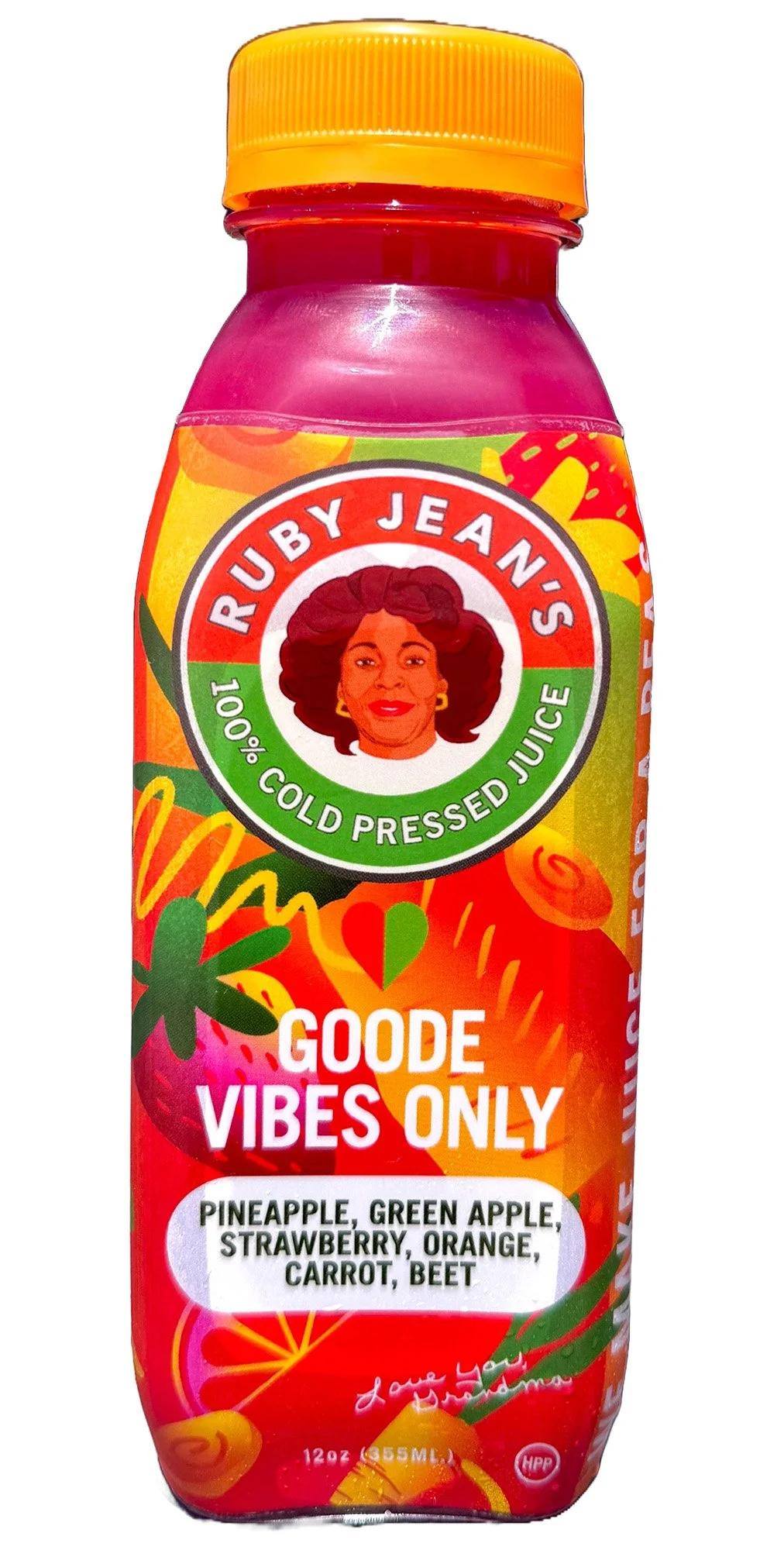
This is exactly the work Ruby Jean's was built for. Our Soul Food Bowl and our menu prove you don't have to choose between heritage and health — every item can be made vegan, and the flavor never apologizes. We cold-press the vegetables your great-grandmother grew. We keep the soul and rewrite the ingredients. That's the next chapter, and we're writing it one plate at a time.
Honoring our elders doesn't mean cooking exactly as they did. It means loving our people enough to keep them at the table longer. That's the reform. That's the freedom. And it has never tasted better.
Call to action: Try the reimagined Soul Food Bowl at 3000 Troost — heritage, made for a longer life.
Sources
1. Bryant Terry on the Delicious, Satisfying (and Yes, Vegan) Food of the African Diaspora (The Kitchn)
2. Age-Adjusted Percentage of Adults with Hypertension (CDC MMWR QuickStats)
3. Diabetes and Black/African Americans (HHS Office of Minority Health)

Eleven Years of Ruby Jean's: Her Legacy, Our Promise
Eleven years. This July 25th, Ruby Jean's Juicery turns eleven, and we can't let the day pass without telling you why we're here — because the whole thing started with a woman most of you never met.
The woman behind the name
Ruby Jean Bates was our founder Chris Goode's grandmother. She came to Kansas City in the late 1950s, and she cooked the way love was expressed in her generation: fried, buttered, rich, and generous. Her table was the center of the family. But the soul-food diet that brought everyone together also took a quiet toll, and in 1999 she passed from complications of Type 2 diabetes, kidney disease, and high blood pressure. She was 61. Chris was 14.
That loss planted a seed. Years later, after his own health wake-up call and his first juice cleanse, Chris felt better than he ever had — and he thought of his grandmother. What if she'd had access to this? What if fresh, healthy food had been as available, as celebrated, and as woven into the culture as the food that made her sick? In 2015, with more conviction than capital, he opened the first Ruby Jean's in her honor. Her legacy fuels our passion for healthy living. It always has.
What eleven years has built
From one storefront on a mission, Ruby Jean's has grown into a Kansas City institution and beyond. Our flagship kitchen and juicery sits at 3000 Troost — once a line drawn through our city, now a place where we pour life back in. Our cold-pressed juices are on shelves in more than 100 Whole Foods locations across the country. We've planted community gardens that give away fresh produce for sweat equity, partnered with the Kansas City Current at CPKC Stadium, and fed, employed, and inspired more neighbors than we could have dreamed in 2015.
The promise for the next eleven
But we measure success differently than most businesses. Our real bottom line is the life-expectancy gap between Kansas City zip codes — as wide as 18 years — and every bottle, bowl, garden, and shot is aimed at closing it. Eleven years in, that work is far from finished.
So here's our promise for the years ahead: we will keep making the healthiest food we can as joyful and accessible as the food it competes with. We will keep showing up in the neighborhoods that need fresh food the most. And we will keep saying her name — Ruby Jean — until the freedom she didn't get is something every family in this city can taste.
To everyone who has walked through our doors, ordered a juice, taken the cleanse, or simply believed in the mission: thank you. You are the reason we've made it eleven years. Come celebrate with us this month — the next chapter is just getting started.
Happy anniversary, Kansas City. Here's to your health, and your freedom.
Call to action: Celebrate 11 years with us at 3000 Troost this July — and taste the mission for yourself.
Sources
1. Flatland KC — Racism at the Root of Kansas City Health Disparities
The Roots Run Deep: A Short History of Soul Food
You can't talk about Black health in America without talking about soul food. And you can't talk about soul food honestly without talking about where it came from. At Ruby Jean's, we hold this history with respect, because you can't reform what you don't first honor.
From West Africa, across an ocean
Soul food's deepest roots reach back to West Africa, where ingredients like okra, black-eyed peas, sorghum, and yams anchored rich culinary traditions. Enslaved Africans carried that knowledge — and sometimes those very seeds — across the Middle Passage. In a new and brutal land, they adapted: sweet potatoes stood in for African yams, cornmeal became cornbread, and the food-ways of a continent took new form in Southern soil.
Genius born of survival
Here's the part that deserves real reverence. Much of what we now call soul food was created from the scraps. Enslaved people were given the leftovers of the plantation — the offal, the fatback, the ham hocks, the cornmeal and molasses — and through sheer culinary genius transformed those castoffs into food that nourished bodies and held communities together. Chitlins, greens cooked with smoked meat, cornbread: these weren't choices of abundance. They were acts of resourcefulness and resistance, of making a way out of no way.
A name born of pride
The food sustained generations. And in the 1960s, as the civil rights and Black cultural movements surged, it earned its name: “soul food” became a banner of pride, tying Black American cooking back to its African origins and declaring it worthy of celebration. To eat soul food was to taste survival, family, Sunday dinner, and identity all at once.
Honoring the roots, asking the hard question
We carry all of that with us. Ruby Jean Bates — the grandmother our founder named this company after — was raised on that soul-food table, and it fed a family and a legacy. And yet the heaviest, most processed version of that cuisine, especially as it industrialized in the decades that followed, has also been hard on the very community that created it, contributing to the diabetes, high blood pressure, and heart disease that hit Black families at the highest rates in the country.
Holding both truths is the work. The tradition is sacred. The genius is real. And love for our people means asking: how do we keep the soul, the story, and the flavor — while letting go of what's quietly making us sick? That's the conversation we'll pick up next time. Because honoring our grandmothers doesn't mean cooking exactly like them. Sometimes it means carrying their love forward in a form that lets us live longer to share it.
Call to action: Come taste tradition reimagined — our Soul Food Bowl is on the menu at 3000 Troost.
Sources
1. Unlocking the History of Soul Food (Hemp & Fork)
2. The Origins and Cultural Significance of Soul Food (USC Dornsife)
Small Bottle, Big Punch: The Science Behind Our Wellness Shots
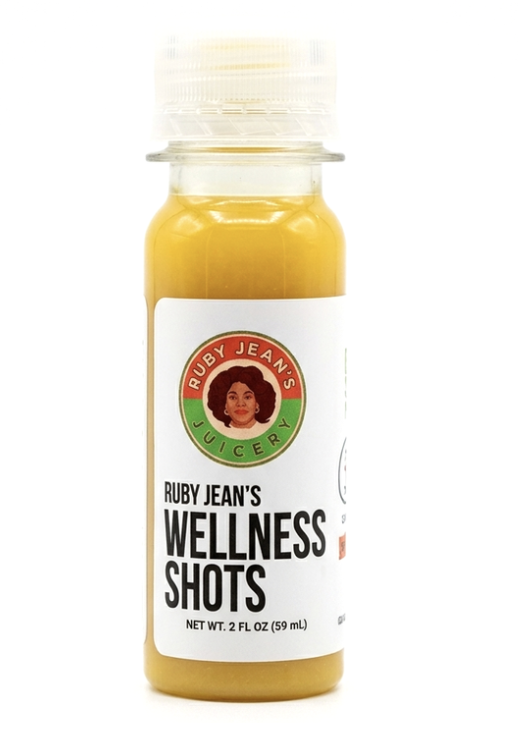
They're two ounces, maybe three. You knock one back at the counter and feel it wake you up from the inside out. Our wellness shots — Just Ginger, the I Feel Sick, the apple cider vinegar shot, and our beloved Doctor Visit — are small for a reason: they're concentrated. But what's actually going on inside that little bottle? Let's look at the science, ingredient by ingredient.
Ginger
Ginger is the backbone of our shots, and it earns its place. In one study of 170 women, a gram of ginger a day eased nausea about as well as a common anti-nausea medication, with fewer side effects — and it's well supported for motion- and treatment-related nausea too. It's the ingredient your grandmother reached for, now with the research to match.
Turmeric
Our Doctor Visit leans on turmeric, and for good reason. Studies show turmeric extract lowers several markers of inflammation, in some cases comparably to anti-inflammatory drugs. Even better, turmeric and ginger appear to work together — a peer-reviewed study found the two act synergistically to tamp down inflammatory signals in the body. That's why we don't isolate ingredients; we let them do what they do best, in concert.
Cayenne and apple cider vinegar
That little kick of heat in the Doctor Visit is cayenne, and capsaicin — the compound that makes it hot — has been shown in a controlled trial to raise “good” HDL cholesterol and lower triglycerides and inflammation. We'll be honest about the limits, too: the “cayenne burns fat” claim is real but tiny, about ten extra calories over several hours. As for apple cider vinegar, a 2025 systematic review found it can modestly improve blood-sugar control and insulin sensitivity. Modest is the key word — ACV is a helper, not a cure, and if you take diabetes medication, check with your doctor first, since it can amplify those effects.
The honest bottom line
A wellness shot isn't a vaccine and it isn't a prescription. What it is: a concentrated, real-food dose of ingredients with genuine, research-backed benefits — and zero of the junk you'd find in a gas-station energy shot. Taken as part of a life that already includes good food, water, and rest, it's a small daily ritual that stacks up.
We named the Doctor Visit with a wink, but the spirit is serious: nature handed us a pharmacy of roots and peppers, and we'd be foolish not to use it. Pull up to the counter, take your shot, and feel the difference for yourself.
Call to action: Grab a wellness shot at 3000 Troost — ask us which one's right for your day.
Sources
1. Turmeric and Ginger: Combined Benefits and Uses (Healthline)
2. Synergistic Anti-Inflammatory Activity of Ginger and Turmeric Extracts (PMC)
3. 5 Health Benefits of Cayenne Pepper (Cleveland Clinic)
4. Capsaicin Supplements (Healthline)
6. Does apple cider vinegar have any proven health benefits? (Harvard Health)
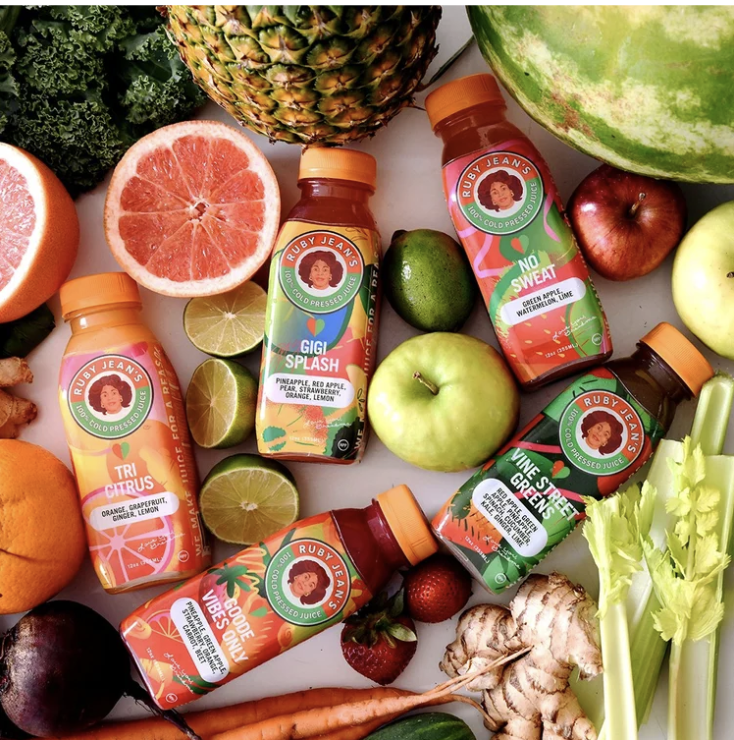
The Honest Truth About Juice Cleanses
We sell juice cleanses. We also believe in telling you the truth about them. Both things can be true — in fact, the truth is what makes our cleanses worth doing. So let's clear the air.
What a cleanse won't do
Your body already has a world-class detox system: it's called your liver and kidneys, and they remove waste around the clock without any help from a juice. No bottle “flushes toxins” — that's marketing, not medicine. The FDA has even warned that some products sold as detoxes make false claims or contain ingredients that can be genuinely harmful. We're not going to insult you with that language.
A juice-only diet also strips out protein, healthy fat, and most fiber. Go too long and you can feel tired, lose muscle, and end up regaining whatever weight you dropped. And if you live with diabetes or another condition affected by blood sugar, a juice-only cleanse isn't for you — fiber-free juice raises blood glucose quickly, so please talk to your doctor first.
What a cleanse can do
So why do we offer them? Because a short, a well-made cleanse can be a powerful reset — not a detox, but a pattern interrupt. For a few days you flood your system with the vitamins, minerals, and plant compounds of pounds of fresh produce you'd never sit down and eat whole. You give your palate a break from processed food, salt, and added sugar. Many people finish a cleanse more aware of how much better real nutrition feels — and carry that awareness into the weeks after. That mindfulness, not magic, is the real benefit.
How we'd want you to do it
If you're going to cleanse, do it with intention. Our cleanses come in 3-, 5-, and 7-day formats, with five juices a day spaced about every two hours — built so you're nourished, not starving. Start with the beginner tier if it's your first time. Drink plenty of water alongside. Don't pair a cleanse with intense training or a brutal work stretch. And ease back in afterward with whole vegetables, fruit, and lean protein rather than sprinting straight to a drive-thru.
Think of a cleanse as a comma in the sentence of your year — a pause that helps you start the next chapter with intention. It's not a cure, and it's not a substitute for eating real, whole food every day. But done honestly, it can be a beautiful on-ramp to a healthier relationship with what you put in your body.
That's the truth as we see it. And the truth, like good juice, goes down better when it's fresh.
Call to action: Ready for an honest reset? Explore our 3-, 5-, and 7-day cleanses online.
Sources
1. Do Juice Cleanses Detox the Body? (University of Rochester Medical Center)
Meet the Coconut Water Lemonades: Summer in a Bottle
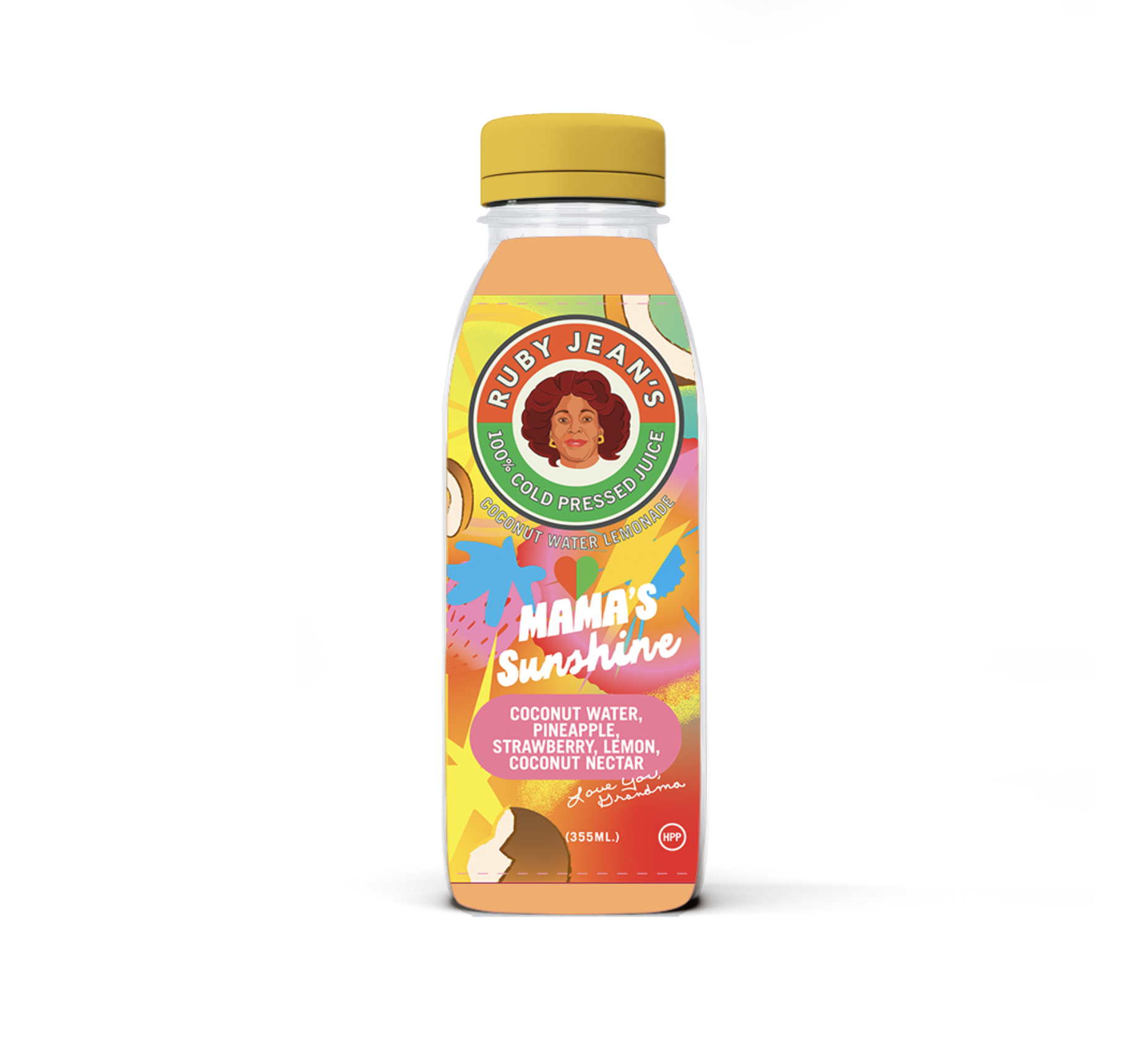
Our new Coconut Water Lemonades pair real electrolytes with cold-pressed citrus. Meet Mama's Sunshine, Lightning Blue, and Heartland Cherry.
Summer in Kansas City doesn't play. When the heat index climbs and you're moving all day, your body is losing more than water — it's losing electrolytes, the minerals that keep you running. That's exactly why we created our newest line: the Ruby Jean's Coconut Water Lemonades. Say hello to Mama's Sunshine, Lightning Blue, and Heartland Cherry.
Why coconut water?
Coconut water has earned its reputation as nature's sports drink, and the science is on its side. It's rich in potassium — roughly 1,420 mg per liter, far more than the typical sports drink — while carrying similar sodium and less sugar. When researchers compared coconut water to a standard carbohydrate-electrolyte sports drink during exercise, they found it rehydrated just as effectively. The difference is what's not in ours: no neon dyes, no synthetic additives, no laboratory list of ingredients you can't pronounce.
We pair that coconut water with real, cold-pressed lemon and fruit — so you get the bright, mouth-puckering lift of a classic lemonade with an electrolyte backbone that actually helps you bounce back.
Meet the three
Mama's Sunshine is our golden, classic-leaning lemonade — warm, sunny, the one that tastes like a porch in July. Lightning Blue brings a cooler, berry-kissed twist with a jolt of color that's all real fruit. And Heartland Cherry is deep, a little tart, a little sweet — a nod to the orchards of the Midwest we call home.
A quick honest note, because we believe in those: coconut water is lighter in sugar than most sports drinks, but it's not sugar-free, and neither is lemonade. This is a smarter, cleaner way to hydrate and treat yourself — not a replacement for plain water all day long. Think of it as your reward after the long walk, the workout, the double shift, the Saturday at the City Market.
How to enjoy it
Keep a few cold in the fridge for when you come in from the heat. Pack one in the cooler for the game at CPKC Stadium. Hand one to the kid who just finished practice and is “dying of thirst.” However you reach for it, you're reaching for hydration that loves you back.
The Coconut Water Lemonades are here for the season and moving fast. Grab a bottle at 3000 Troost or order a case online — and let us know which one's your summer anthem.
Call to action: Order your case of Coconut Water Lemonades online, or grab one in store.
Sources
1. Coconut Water: A Sports Drink Alternative? (MDPI Sports / PMC)
Health Is Freedom: What We Mean When We Say It
Health is Freedom.
You'll hear us say it a lot around here: health is freedom. It's woven into the way we think about every bottle we press and every bowl we build. But what do we actually mean by it?
We mean that when your body works, your life opens up. Freedom is having the energy to chase your kids around the yard, to show up for your community, to build the thing you were put here to build. Sickness narrows your world. Wellness widens it. For our founder, Chris Goode, that truth is personal — Ruby Jean's is named for his grandmother, Ruby Jean Bates, who passed at 61 from complications of Type 2 diabetes, kidney disease, and high blood pressure. Her life was cut short, and so was her freedom. We exist so that fewer families have to know that loss.
The gap is real, and it's close to home
This isn't abstract. In Kansas City, where you live can quietly determine how long you live. In 2019, life expectancy in one KC zip code was about 86 years; just a few miles away, in a neighborhood with far fewer resources, it was 68 — an 18-year gap, and one that has been widening, not closing. The communities on the short end are too often the same ones without a grocery store selling fresh produce within walking distance.
We refuse to accept that a zip code is a destiny. Food is one of the most powerful levers we have, and the federal data backs it up: Black adults are 24% more likely than the overall population to have diagnosed diabetes, and 58% live with high blood pressure — the highest rate of any group. Much of that is tied to what's on our plates and in our cups, generation after generation.
Liberation tastes good
Here's the part people miss: choosing health isn't about deprivation. It's not punishment. It's a celebration. There is pure life in fresh fruits and vegetables, and reaching for them is reaching for a stronger, freer version of yourself. That's why our juices have names like Goode Vibes Only and our menu leans joyful — because freedom should feel like joy, not a diet.
Over the next several weeks, we're going to dig into all of it: what's really in a cold-pressed bottle, the honest truth about juice cleanses, the deep roots of soul food and how we're helping rewrite its future, and the simple daily habits that add years to your life. Consider it a season of getting free, together.
Welcome. We're glad you're here. Pull up a chair — and a green juice.
Call to action: Stop by 3000 Troost or order online, and taste what freedom feels like.
Sources
1. Flatland KC — Racism at the Root of Kansas City Health Disparities
2. Diabetes and Black/African Americans (HHS Office of Minority Health)
3. Age-Adjusted Percentage of Adults with Hypertension (CDC MMWR QuickStats)